Forget the English Civil War. Forget the Restoration. There’s a far more important Revolution to be spoken of: The 1688 Glorious Revolution. Following the Restoration, Parliament once again found itself being shoved aside by a Stuart King intent on running Britain more akin to Louis XIV’s French autocracy. Various measures were taken; from attempting to move away from the Monarch’s reliance on Parliamentary allowance to even refusing to call Parliament for a considerable portion of his reign. It climaxed when Charles II did the unthinkable: in a secret agreement between himself and Louis, in exchange for monetary support in wars against the Dutch; he promised to turn Catholic.
He would convert on his death bed, likely after coming to the conclusion that it was no longer a tenable promise. But, in 1685, Charles died without issue. The throne passed to his brother, James. James’ reign was short-lived. Openly a Catholic, Parliament flat-out refused to allow legislation he proposed through. Tensions were inflamed as James began to ponder the possibility of once again removing Parliament from the equation. But Revolution did not come to pass. James, whilst a Catholic, had agreed to keep his religious policy private. But this would all change upon two events:
- The prosecution of seven clergy members – seen as a direct assault upon the Anglican Church of England.
- The birth of a son, James Francis Edward – “The Old Pretender” – thus ensuring a Roman Catholic dynasty and pushing James’ daughters, Mary and Anne (raised as Protestants upon Charles’ request), out of the line of succession.
Parliament was in uproar. James II was 52 upon the birth of his son. His second marriage, after 11 years, was childless. After Parliament refused to repeal the Test Acts (essentially stopping Catholics from voting and standing for office), James suspended the English and Scottish parliaments. And for the second time in a century, Parliament mobilised and went to war.
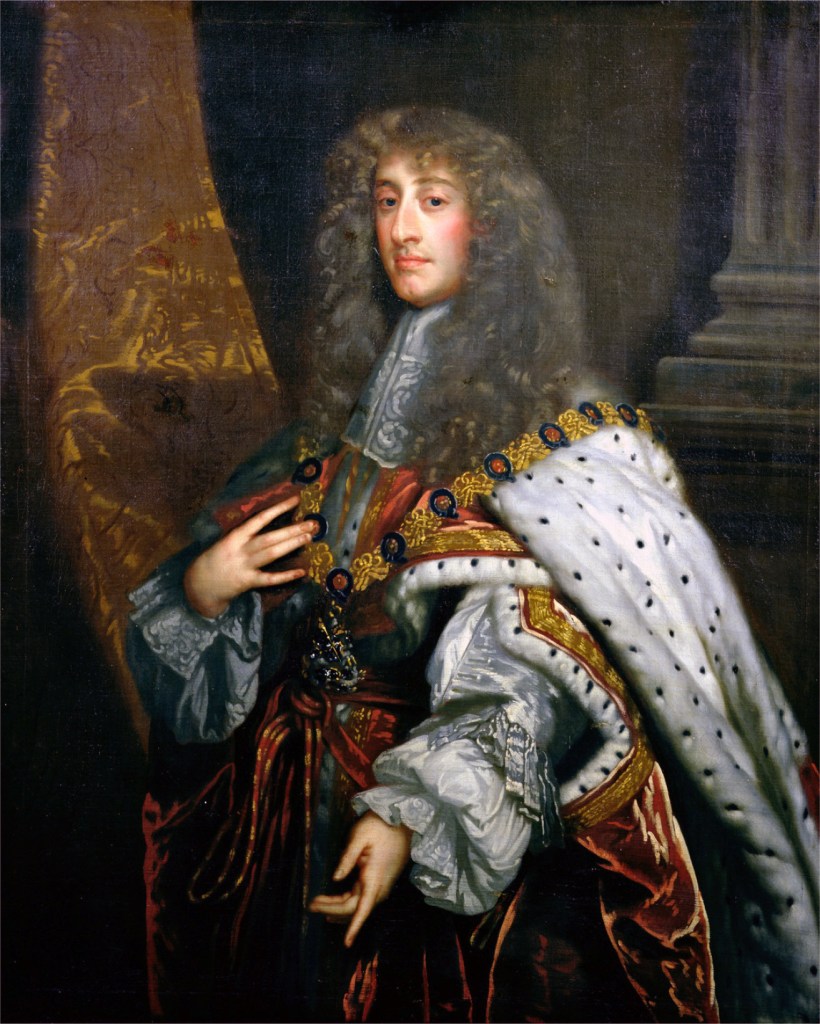
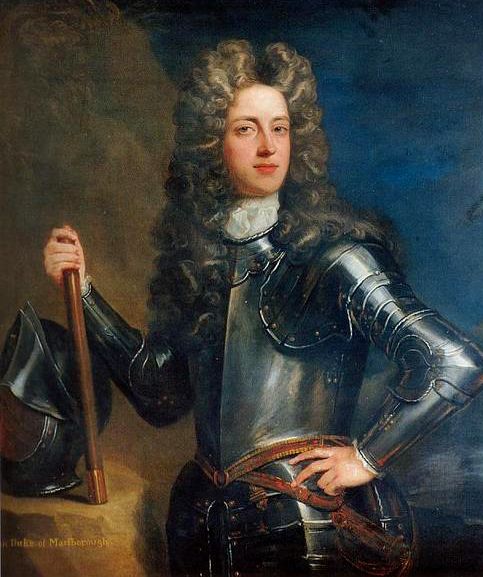
The Glorious Revolution was short. William III, the Dutch Stadtholder (basically Prime Minister) and his wife, Mary (James’ daughter) were invited by Parliament to take over. William refused to settle for anything less than ‘King’. James essentially stumbled into giving the throne up. The defection of his other daughter, Anne, was a huge emotional blow. The defection of John Churchill, the future Duke of Marlborough (and ancestor to Winston Churchill no less), was a huge political one. James, his wife and newborn son fled to France, where his descendants would claim the throne of Britain until Bonnie Prince Charlie’s defeat at Culloden.
Despite William’s refusal to settle for anything less than ‘King’, The Glorious Revolution assured Parliament’s ascendancy. It was now, in almost all but name, more powerful than the monarch. A series of bills were passed through Parliament, the most important of them: The 1689 Bill of Rights.
In addition to laying out James II’s misdeeds, and confirming William and Mary as rightful successors to the crown, it gave 13 ‘Rights’ of all citizens of Great Britain.
- That a monarch cannot suspend or execute new laws without the consent of Parliament.
- That a Monarch cannot dispense with a law without the consent of Parliament.
- Freedom to elect members of Parliament without royal interference.
- Freedom of Speech enshrined. (Initially stated within Parliament but generally taken to mean all of British society).
- The right to petition the Monarch, and for them to prosecute based upon it is illegal.
- That to levy money for the Royal Treasury through the use of prerogative is illegal.
- That, whilst the Monarch remains in charge of the army, they cannot keep a standing army in peacetime without the consent of Parliament.
- The right to bear arms (Protestants only).
- That punishments be fair – excessive bail, excessive fines and cruel and unusual punishments are illegal.
- That jurors must be impanelled (brought from the public), and those overseeing a treason case must be freeholders (own their own land).
- That it is illegal for the crown to pass to a Catholic.
- That punishments, or confiscation of property cannot be executed before conviction.
- That parliament must be brought back frequently (In 1694 it stated Parliament could not go 3 years without being called).
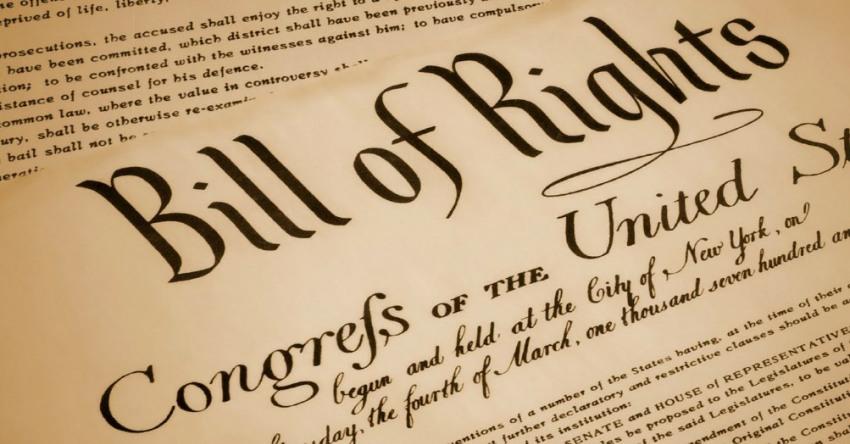
All of these clauses, whilst initially applying to parliament, eventually found their way into the broader society. Among politicians throughout the 18th century and almost up to 1832 – The Bill of Rights was seen as the constitution. Edmund Burke consistently referred to the document as ‘The Constitution’ during his brief spat with Thomas Paine, over a century after the Bill had been passed.
The Bill of Rights is, in my opinion a more important document than Magna Carta. Whilst Magna Carta was the first step in the long road to British democracy, it merely enshrined that the King could not enact taxes without barons permission. This was something that not only got broken by Kings but also was something of a misnomer. Medieval political structures required the nobility to raise the armies on behalf of the king. The most common cause of raising taxes was in order to go to the war. And so to raise taxes without consulting nobility (as Magna Carta forbade) was practically speaking idiotic. Whereas, the Bill of Rights stood in direct opposition to the flow of European politics. Most were looking to centralise the Monarch’s power and create an Absolute Ruler system, following Louis XIV’s example. But the Bill of Rights took active steps to strip away much of the monarch’s power.
This, in my opinion, makes the 1689 Bill of Rights not only the worlds first constitution (sorry Americans), but also the most important document and moment in not only British political development, but the history of democracy itself.
 The History Book